

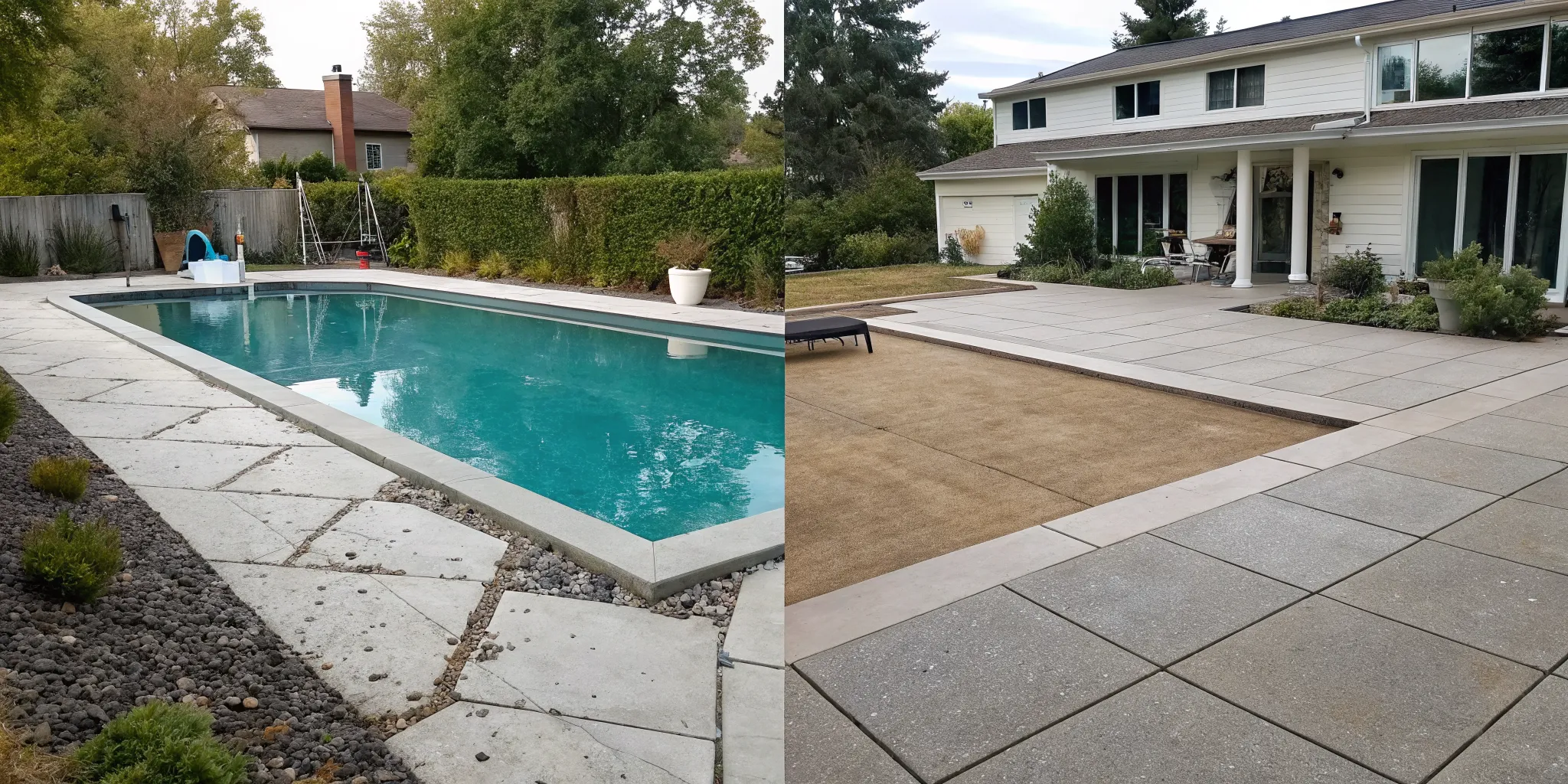
Your pool is the centerpiece of your Arizona backyard, the spot where memories are made all summer long. But when the surface starts to feel like sandpaper and stubborn stains refuse to budge, you know a change is needed. Resurfacing is more than just a cosmetic fix; it’s a vital part of protecting your investment. The biggest question on every homeowner’s mind is about the final price tag. Understanding the cost to resurface a pool involves looking at factors like size, materials, and the current condition of your pool. This guide will walk you through every element, helping you create a realistic budget for a beautiful, long-lasting finish.
Key Takeaways
- Recognize When Your Pool Needs a Refresh: Resurfacing is essential maintenance, not just a cosmetic fix. If your pool’s surface feels rough like sandpaper, has stubborn stains that won’t scrub away, or shows visible cracks, it’s time to plan for a new finish to protect its structure.
- Plan Your Budget Beyond the Surface Price: The total cost depends on your pool’s size and the material you choose, from affordable plaster to premium pebble. For an accurate financial plan, get several detailed quotes and include a 10 to 20 percent contingency fund for any unexpected repairs.
- Prioritize Durability for a Lasting Investment: While cheaper materials might save you money upfront, they often require more frequent replacement. Investing in a durable finish like quartz or pebble, installed by an experienced professional, provides better long-term value and a beautiful result that stands the test of time.
What Is Pool Resurfacing (and Why It’s a Must-Do)?
Think of pool resurfacing as giving your pool a much-needed fresh start. Over time, the interior surface of your pool wears down from the Arizona sun, chemicals, and constant use. Resurfacing is the process of removing that old, tired layer and applying a brand-new one. It’s not just a cosmetic fix; it’s essential maintenance that keeps your pool healthy, safe, and beautiful for years to come.
A fresh surface makes the pool watertight, preventing leaks that can cause serious damage to the pool’s structure and the surrounding ground. It also gets rid of rough patches that can scrape feet and elbows, and it eliminates tiny cracks where algae loves to hide. Essentially, resurfacing is a key part of responsible pool ownership that protects your investment and ensures your backyard oasis remains a source of joy, not stress. If you’re considering a larger update, resurfacing is a cornerstone of most pool remodels.
What Does the Process Involve?
The resurfacing process is a systematic overhaul of your pool’s interior. First, our team will drain the pool completely. Next, we carefully remove the old, damaged surface material, chipping it away to get down to the pool’s concrete shell. This step is crucial for ensuring the new finish adheres properly. After preparing the surface by cleaning and smoothing it, we apply the new finish. You can choose from various materials like classic plaster, durable quartz, or a beautiful pebble finish, each offering a different look and lifespan. This ensures your pool not only performs better but also looks exactly how you want it to.
Why Regular Resurfacing Is Key
Regular resurfacing is all about long-term care and prevention. Most concrete pools in Arizona need this service every 10 to 15 years, depending on the material and maintenance. Sticking to this schedule is vital for maintaining your pool’s structural integrity. It prevents small issues like minor cracks from turning into major, costly leaks. A smooth, intact surface is also safer for swimmers and makes routine cleaning much more effective. By investing in regular resurfacing, you’re not just updating the look; you’re ensuring the longevity and safety of your pool with the help of trusted professionals.
How Often Should You Resurface Your Pool?
Your pool will give you clear signs when it’s time for a new surface. Pay attention to how it looks and feels. Is the surface rough on your feet, or have you noticed stains that just won’t scrub away, no matter how hard you try? These are classic indicators. You might also see visible cracks forming along the walls or floor. Another major red flag is if you find yourself constantly adding water; this often points to a leak that a new surface can fix. If you notice any of these issues, it’s a good idea to start planning your resurfacing project.
How Much Does It Cost to Resurface a Pool?
Let’s talk numbers. The cost of resurfacing your pool can vary quite a bit, but understanding the key components will help you create a realistic budget. The final price tag depends on the size of your pool, the materials you choose, and the current condition of its surface. Think of it as an investment in your backyard oasis, one that pays off in both beauty and longevity. A professional pool remodel not only restores your pool’s look but also protects its structure for years to come. Getting a clear picture of the costs involved is the first step toward a smooth and successful project.
Average Costs and Per-Square-Foot Pricing
On average, most homeowners in Arizona spend between $6,000 and $15,000 to resurface their pool, with a typical project landing somewhere around $11,000. To get a more specific estimate for your pool, it helps to think in terms of square footage. Resurfacing costs generally run from about $6.41 to $7.65 per square foot. Keep in mind that these are just ballpark figures. The material you select will be a major factor in your final cost, as will the complexity of the job. A simple plaster finish will be on the lower end, while a premium pebble or tile finish will be at the higher end of that range.
How Pool Size Affects the Price
It makes sense that the bigger your pool, the more it will cost to resurface. A larger surface area requires more materials and more time for the crew to complete the work. For example, resurfacing a standard 16×32-foot pool with basic plaster might cost around $3,300, while a larger 20×40-foot pool could be closer to $5,200 for the same material. Your pool’s depth also contributes to the total surface area, so a deeper pool will cost more than a shallow one of the same length and width. When planning for a new pool build, considering the long-term maintenance costs associated with its size is always a smart move.
Hidden Costs to Watch Out For
A good contractor will be upfront about all costs, but it’s wise to know what else might come up. Some expenses aren’t technically “hidden,” but they might not be included in the initial resurfacing quote. These can include draining the pool, acid washing the surface before new material is applied, and replacing waterline tiles if they are old or damaged. If the crew discovers significant cracks or structural damage after draining the pool, those repairs will add to the cost. To avoid surprises, always ask for a detailed, itemized quote that breaks down every step. A company with decades of combined experience will know exactly what to look for and can give you a more accurate initial estimate.
What Factors Influence the Cost of Resurfacing?
Several key elements play a role in your final resurfacing quote. While the size of your pool is a major component, other details like the materials you choose and the current condition of your pool surface can significantly impact the total price. Understanding these factors will help you set a realistic budget and make informed decisions for your project. It’s about balancing your vision for the pool with the practical costs of getting the job done right.
Your Choice of Material
The material you select for your new pool surface is the single biggest factor in the overall cost. Each option comes with a different price point, look, and lifespan. Plaster is a classic and budget-friendly choice that lasts around 7 to 12 years. For a bit more, quartz-infused plaster offers better stain resistance. A pebble finish costs more upfront but is incredibly durable, often lasting 15 to 20 years or more while providing a slip-resistant texture. Tile is the most premium option, offering a luxurious look and the longest lifespan, but it comes with the highest price tag. Your choice will define both the aesthetic and the long-term maintenance of your pool remodel.
The Current State of Your Pool
The condition of your existing pool surface will determine how much prep work is needed before the new finish can be applied. If your pool has minor stains or a slightly rough texture, the preparation might be straightforward. However, significant issues like deep cracks, hollow spots (also known as delamination), or leaks will require more extensive repairs. These problems must be addressed properly to ensure the new surface adheres correctly and lasts for years to come. Catching these issues early can prevent more costly repairs down the road, so it’s important to have a professional assess the damage accurately.
Your Pool’s Shape and Accessibility
A simple rectangular pool will generally cost less to resurface than a freeform pool with lots of curves, steps, and ledges. Complex shapes require more detailed work and precision, which increases labor time and cost. The same goes for pools with integrated features like waterfalls or raised spas. Additionally, how easily our team can access your backyard with equipment plays a role. A yard with clear, wide access is different from one that requires navigating tight spaces or stairs. We consider all these details when creating a precise quote for your unique space.
Labor, Location, and Time of Year
Labor is a significant part of any resurfacing project, and rates can vary. At Modern Pools, we pride ourselves on the expertise and craftsmanship our experienced team brings to every job, ensuring a high-quality finish that lasts. While some homeowners think about seasonality, the best time to resurface your pool is simply when it needs it. Waiting too long can lead to more extensive damage and higher costs. We work year-round in the Arizona climate to restore your pool, so you can get back to enjoying it as soon as possible.
Pool Resurfacing Materials: Which One Is Right for You?
Choosing the right finish for your pool is one of the most important decisions you’ll make during the resurfacing process. The material you select determines not only the look and feel of your pool but also its durability and long-term maintenance needs. In Arizona, where the sun is intense, your choice of surface can also affect water temperature and how well the material withstands UV exposure. This decision is a key part of any pool remodels project, balancing your design vision with your budget.
Think of the finish as the foundation of your backyard’s personality. Are you aiming for a classic, bright blue swimming hole for the family to enjoy all summer? Or do you envision a sophisticated, resort-style oasis with a natural, lagoon-like feel? Each material offers a different aesthetic and sensory experience, from the smooth glide of fresh plaster to the unique texture of a pebble finish underfoot. With over 36 years of combined experience, we help homeowners find the perfect material that not only looks incredible but also stands up to the demands of our sunny climate. Let’s walk through the most common options to find the perfect fit for your backyard.
Paint
Think of pool paint as the quickest and most budget-friendly refresh you can give your pool. It’s a great option if you’re looking for a fast cosmetic update without a major investment. However, this affordability comes with a trade-off. Paint is the least durable option, typically lasting only five to seven years before it needs to be reapplied. While it gets the job done for a short-term fix, be prepared for more frequent maintenance to keep it looking fresh. It’s best for homeowners who need a simple, immediate solution while planning for a more permanent finish down the road.
Plaster
Plaster is the timeless, classic finish that you see in countless backyard pools, and for good reason. It provides a smooth, clean, and comfortable surface that feels great underfoot. As a more durable and long-lasting option than paint, a traditional plaster finish can last between seven and twelve years with proper care. It’s a reliable, middle-of-the-road choice that offers a fantastic result without the premium price tag of aggregate or tile finishes. If you’re looking for a traditional pool aesthetic that is both beautiful and relatively budget-friendly, plaster is a solid choice that never goes out of style.
Quartz Plaster
If you like the smooth feel of plaster but want a little more durability and visual flair, quartz plaster is an excellent upgrade. This material is a blend of cement, plaster, and crushed quartz crystals. The quartz adds strength, making the surface more resistant to stains and chemical wear than standard plaster. It also creates a beautiful, multi-dimensional look, as the crystals catch the sunlight and add a subtle shimmer to your pool water. While it costs a bit more than traditional plaster, the added longevity and enhanced appearance make it a worthwhile investment for many homeowners.
Pebble Finish
For a finish that combines natural beauty with exceptional durability, a pebble finish is one of the best options available. This surface consists of small, smooth pebbles mixed into cement, creating a textured, slip-resistant finish that feels wonderfully organic. Pebble surfaces are incredibly tough, lasting 15 to 20 years or even longer, and they are highly resistant to stains and chemical imbalances. This finish is perfect for creating a lagoon-style oasis, especially when paired with custom fire and water features. It’s a premium choice that offers incredible long-term value and a stunning, natural look.
Tile
Tile is the most luxurious and customizable pool surface material on the market. Whether you choose ceramic, porcelain, or glass, a fully tiled pool is a true showstopper. Tile offers unmatched durability, with a lifespan that can exceed 20 years with minimal maintenance, and it’s the most resistant to chemicals and staining. The design possibilities are virtually endless, allowing you to create intricate mosaics and custom patterns that reflect your personal style. While tile comes with the highest upfront cost, it delivers a high-end, resort-quality finish that stands the test of time, making it the ultimate investment in your backyard.
Signs It’s Time to Resurface Your Pool
Your pool’s surface does more than just give it that beautiful, sparkling blue color. It’s a crucial waterproof barrier that protects the concrete shell and keeps your swimming experience comfortable and safe. Over time, the combination of pool chemicals, intense Arizona sun, and regular use wears down this finish. Ignoring the early warning signs can lead to bigger, more expensive problems down the road, like leaks that damage the pool’s structure or surrounding landscape.
Think of it like the paint on your house. It looks great, but its main job is to protect the wood underneath from the elements. When the paint starts to chip and peel, you know it’s time for a fresh coat before rot sets in. It’s the same with your pool. Catching the signs early means you can plan for a pool remodel on your own terms, rather than dealing with an emergency repair in the middle of swim season. Knowing what to look for helps you keep your pool safe, beautiful, and ready for fun. Let’s walk through the three most common signs that your pool is asking for a fresh new surface. These indicators are your pool’s way of telling you it needs a little TLC.
The Surface Feels Rough
One of the easiest signs to spot is a change in texture. Your pool’s surface should feel smooth under your hands and feet. If you start to notice that the floor and walls feel rough and scratchy, like sandpaper, it’s a clear sign the finish is deteriorating. This roughness, often called “pool rash,” happens as the top layer of plaster erodes, exposing the coarser material underneath. Not only is it uncomfortable and can lead to scraped skin, but it also means your pool’s surface is becoming more porous and susceptible to algae growth and stains.
You Spot Cracks or Leaks
While tiny hairline cracks can be a normal part of a pool’s aging process, larger, more defined cracks are a cause for concern. These are often more than just a cosmetic issue; they can be pathways for water to seep out of your pool. If you find yourself constantly adding water to maintain the proper level (more than what you’d expect from normal evaporation), you likely have a leak. Ignoring cracks can lead to water seeping into the ground, which can erode the soil supporting your pool and deck, causing much more significant structural damage over time.
Stains Won’t Go Away
It’s normal for pools to get a few stains from leaves, minerals, or algae. Usually, a good brushing or a chemical treatment takes care of them. However, when you have stubborn stains that resist all your cleaning efforts, it’s a sign that the problem is more than skin deep. An old, porous plaster surface will absorb stains rather than just letting them sit on top. If acid washing and scrubbing no longer make a difference, it means the stains have become part of the surface itself. Resurfacing is the only way to get that clean, uniform look back.
How to Budget for Your Pool Resurfacing Project
Creating a budget for a pool resurfacing project can feel like a big task, but it doesn’t have to be complicated. With a clear plan, you can feel confident about your investment and avoid any financial surprises along the way. The key is to think beyond the initial price tag and consider all the factors that contribute to a successful, long-lasting project. From gathering quotes to planning for the unexpected, a thoughtful budget is your best tool for a smooth process. By breaking it down into a few simple steps, you can ensure your pool gets the beautiful, durable new finish it deserves without breaking the bank.
Get Multiple Quotes
To make sure you’re getting a fair price, it’s a good idea to get several quotes from different contractors, usually between three and five. This isn’t just about finding the cheapest option; it’s about comparing the scope of work, materials offered, and the timeline each company provides. A lower bid might mean lower-quality materials or less experienced labor. When you review each quote, look for a detailed breakdown of costs. A reputable contractor will be transparent about their pricing. This process helps you find a partner who offers the best value and is a trusted name in the industry.
Set Aside a Contingency Fund
Even with the most detailed planning, unexpected issues can pop up during a renovation. That’s why it’s smart to set aside a contingency fund. A good rule of thumb is to budget an extra 10% to 20% of the total project cost for surprises. During resurfacing, your contractor might discover hidden cracks or structural problems that need to be addressed before the new finish can be applied. Having this extra cash on hand means these issues can be fixed properly without causing financial stress or delaying your project, ensuring the job is done right from the start.
Weigh Long-Term Value vs. Upfront Cost
It can be tempting to go with the cheapest material to save money upfront, but it’s important to consider the long-term value. A more expensive finish like pebble or tile might last 15 to 20 years, while a cheaper paint finish may need to be redone in just a few years. Over time, the more durable option often proves to be more cost-effective. When you invest in high-quality materials, you’re not just paying for a beautiful new surface; you’re paying for longevity and fewer headaches down the road. This is a core part of successful pool remodels.
Schedule Smartly to Save Money
Did you know that the time of year you schedule your project can affect the price? Pool contractors are busiest during the spring and early summer as homeowners rush to get their pools ready for swim season. If you can, plan your resurfacing project during the off-season, like the fall or winter. Demand is lower during these cooler months, which can sometimes lead to better pricing and more flexible scheduling. Since a typical resurfacing job takes about one to two weeks, planning it for a time when you won’t be using the pool anyway is a win-win.
Common Resurfacing Mistakes (and How to Avoid Them)
A pool resurfacing project is an exciting step toward transforming your backyard, but a few common missteps can cause unnecessary stress and expense. Knowing what to watch out for is the best way to ensure your project goes smoothly from start to finish. Let’s walk through some frequent mistakes homeowners make and, more importantly, how you can sidestep them for a flawless result.
Choosing Price Over Durability
It’s always tempting to go with the lowest quote, but when it comes to your pool’s surface, a cheaper option now can cost you much more later. Basic white plaster, for example, has a lower upfront cost but a shorter lifespan compared to modern aggregate finishes. Materials like pebble or quartz plaster are designed for superior durability and stain resistance. While they require a larger initial investment, their longevity means you won’t be facing another pool remodel in just a few years. Think of it as choosing a long-term solution that will keep your pool looking beautiful for a decade or more, not just a temporary fix.
Forgetting a Contingency Fund
Even with the most detailed plan, unexpected issues can pop up during a renovation. This is especially true for pool resurfacing. Once the old surface is stripped away, your contractor might uncover hidden cracks in the pool shell or outdated plumbing that needs attention. To avoid having these surprises derail your project, it’s smart to set aside a contingency fund. A good rule of thumb is to budget an extra 10% to 20% of your total project cost. This financial cushion gives you peace of mind, ensuring that any unforeseen repairs can be handled promptly without breaking your budget.
Underestimating the Total Project Cost
When you first start researching, you’ll see a wide range of prices. While average costs can be a helpful starting point, the final price tag involves more than just the cost of materials per square foot. The total expense includes extensive prep work, labor, equipment, and any necessary repairs discovered along the way. You might also decide to upgrade your waterline tile or add new lighting while the pool is drained. Getting a comprehensive quote that details every aspect of the job is the best way to create a realistic budget and avoid sticker shock when the final invoice arrives.
Trying to DIY a Professional’s Job
Watching a few online videos can make pool resurfacing look like a manageable weekend project, but the reality is far more complex. This job requires specialized tools, a deep understanding of chemical bonding, and a whole lot of physically demanding labor. Mistakes in mixing or application can lead to a weak surface that peels, cracks, or stains almost immediately, forcing you to pay a professional to fix it anyway. Entrusting your project to an experienced team ensures the job is done right the first time. Our 36+ years of combined experience means we know how to deliver a durable, beautiful finish that will stand the test of time.
Frequently Asked Questions
How long does the entire pool resurfacing process take? A standard resurfacing project typically takes about one to two weeks from start to finish, depending on the size of your pool and the weather. The process includes draining the pool, preparing the old surface by chipping it away, applying the new finish, and allowing for initial curing time. Once the new surface is applied, we can begin refilling the pool, which is followed by a crucial period of chemical balancing to protect the new finish as it fully hardens.
Can I change the color of my pool water with a new surface? Absolutely. The material and color you choose for your new finish have the biggest impact on the final look of your pool water. A classic white plaster will give you that bright, sky-blue appearance. If you opt for a pebble finish with tan or brown tones, you can create a deeper, greener, lagoon-style effect. We can walk you through different material samples to show you how each one will interact with sunlight and water to achieve the exact aesthetic you have in mind.
Is resurfacing the same as remodeling my pool? Think of resurfacing as a key part of a pool remodel, but not the whole story. Resurfacing specifically refers to replacing the interior finish of your pool’s shell. A full pool remodel is a broader project that can include resurfacing as well as other updates like replacing the waterline tile, upgrading your pool deck, adding a spa, or installing new features like waterfalls or updated lighting. Many homeowners choose to tackle these projects at the same time since the pool is already drained.
What do I need to do to prepare my backyard for your crew? To help the project run smoothly, the most important thing you can do is ensure our team has a clear and safe path to the pool. This means clearing any furniture, potted plants, or toys from the access route and the area immediately surrounding the pool deck. It’s also a good idea to make sure pets are secured indoors and to turn off your sprinkler system for the duration of the project to keep the work area dry.
How soon can I swim after my pool is resurfaced? While the pool is refilled shortly after the new surface is applied, you’ll need to wait a little longer before jumping in. The new finish needs time to cure properly, and the water chemistry must be carefully balanced to protect it. Generally, you should plan on waiting about seven days after the pool is full and chemically treated. We will give you specific instructions based on the material you chose so you know exactly when it’s safe to start enjoying your beautiful new pool.