
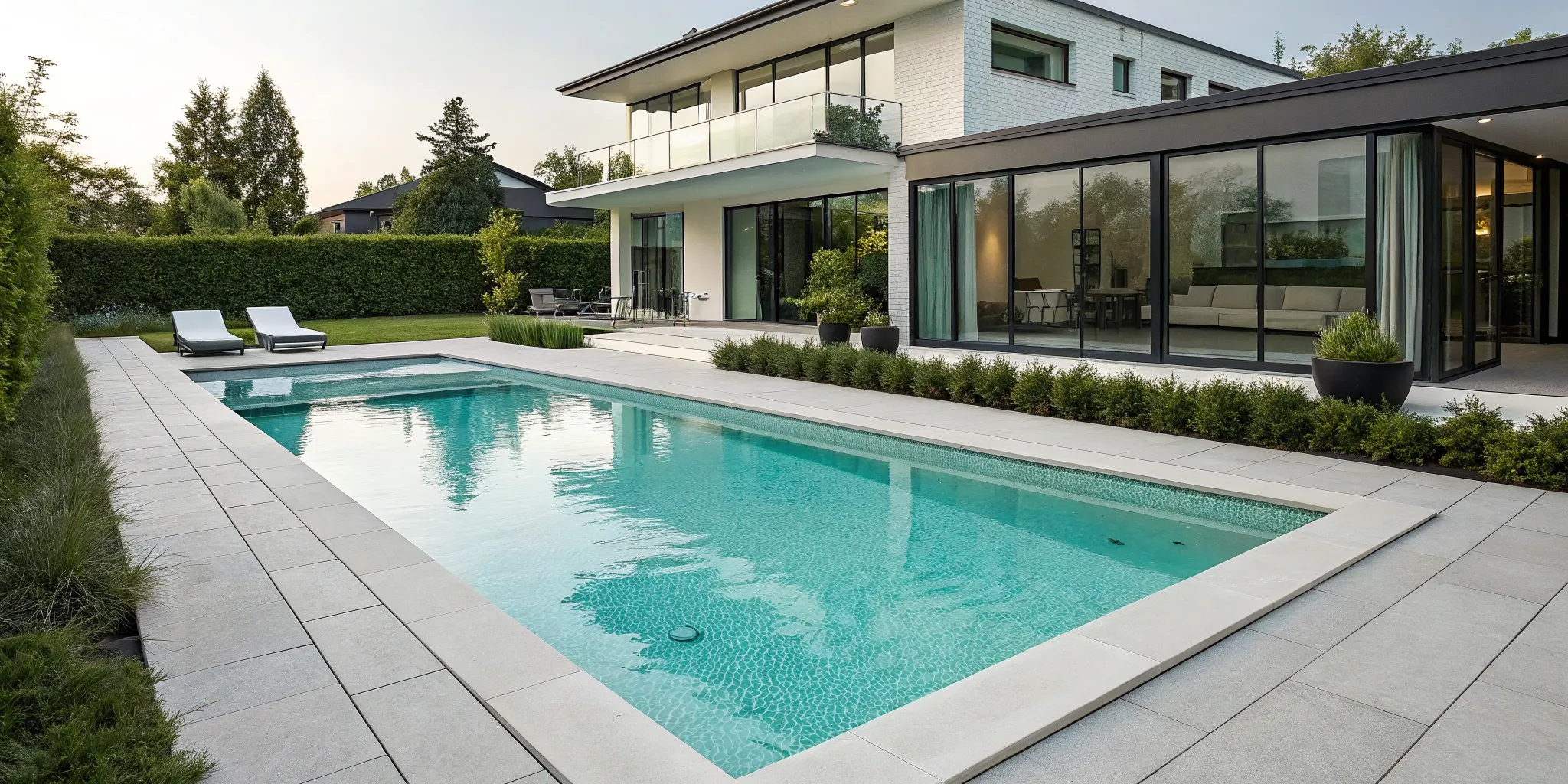
If you’ve started your research, you’ve probably realized that getting a straight answer to “how much does a new pool cost?” is tricky. That’s because a custom pool isn’t an off-the-shelf product. The final price tag is a reflection of your personal vision and your property’s unique needs. A simple, classic design will have a very different cost than a freeform lagoon with a spa, waterfall, and outdoor kitchen. Instead of giving you a vague, one-size-fits-all number, we’re going to empower you with knowledge. We’ll explore how your choices in materials, size, and custom features directly impact the budget, so you can make informed decisions and build the perfect pool for your family.
Key Takeaways
- Plan for the total project cost: Your final budget should include more than the pool itself; account for essentials like safety fencing, landscaping, permits, and recurring expenses such as utilities and maintenance.
- Understand the material trade-offs: The type of pool you choose (concrete, fiberglass, or vinyl) directly impacts your initial cost, design freedom, and long-term maintenance needs, so weigh the pros and cons of each carefully.
- Invest in quality and get clear on costs: A well-built pool saves you money on future repairs, so prioritize quality over the lowest price, explore financing options to make the project manageable, and always get a detailed, itemized quote.
Comparing Inground Pool Types and Costs
When you start picturing a pool in your backyard, one of the first big decisions you’ll face is what kind of pool to build. The material you choose affects everything from the initial price and installation timeline to the long-term maintenance and your design possibilities. Think of it as choosing the foundation for your entire outdoor living space. The three main players in the inground pool world are fiberglass, concrete (which you’ll often hear called gunite), and vinyl liner. Each has a distinct set of benefits and drawbacks, and understanding them is the first step to making a choice you’ll be happy with for years to come. While the initial price tag is a major factor, it’s also important to consider the lifetime cost of ownership. A cheaper pool upfront might cost you more in the long run with replacements and repairs. Let’s walk through what you can expect from each type, so you can see which one aligns best with your vision for a perfect Arizona backyard.
Fiberglass Pools
Fiberglass pools are pre-molded shells that are delivered to your home and dropped into a pre-dug hole. This makes for a much faster installation compared to other types. They’re known for their durability and smooth, non-porous surface, which means less chemical usage and less time spent scrubbing algae. The initial cost for a full installation typically runs from $85,000 to $200,000. The main trade-off is that you’re limited to the manufacturer’s pre-designed shapes and sizes, so custom designs aren’t an option. Be sure to ask what’s included in the price, as things like delivery, permits, and excavation can sometimes be extra.
Concrete (Gunite) Pools
If you can dream it, you can build it with concrete. Also known as gunite pools, these are the gold standard for customization. They are built on-site by spraying a concrete mixture over a rebar framework, allowing for any shape, size, or depth you want. This makes them perfect for creating a truly unique new pool and spa build. The initial cost generally falls between $95,000 and $225,000. While they offer unlimited design freedom, they do require more hands-on maintenance. The porous surface needs more chemicals to stay balanced, and the pool will need to be resurfaced every 10 to 15 years to keep it looking its best.
Vinyl Liner Pools
Vinyl liner pools are the most budget-friendly option upfront, with typical installation costs ranging from $45,000 to $100,000. These pools consist of a metal or plastic frame with a vinyl liner stretched over it to hold the water. While the lower initial price is attractive, it’s important to factor in the long-term costs. The vinyl liner is relatively delicate and will need to be replaced every five to nine years, which can be a significant recurring expense. While they offer a bit more flexibility in shape than fiberglass, they don’t provide the same level of durability or customization as a concrete pool.
Key Factors That Affect Your Pool’s Price Tag
When you start dreaming about a new pool, it’s easy to picture the finished product: sunny days, cool water, and happy memories. But getting there involves making a lot of choices, and each one influences the final price. Understanding these key factors from the start helps you set a realistic budget and work with your builder to design a pool that fits your wallet and your vision. Think of it less as a single price tag and more as a collection of costs you can adjust to create your perfect backyard.
The total investment for your backyard oasis comes down to four main areas: the pool’s size and shape, the materials you choose, your backyard’s current condition, and any custom features you decide to add. By breaking down the project into these components, you can see exactly where your money is going and make informed decisions. This approach allows you to prioritize what matters most to you, whether it’s maximum swimming space, a luxurious finish, or a stunning waterfall. We’ll walk through each of these elements so you can feel confident as you begin the design process. Knowing what to expect helps you have productive conversations with your pool builder and ensures the final result is something you’ll love for years to come.
Pool Size and Shape
It might seem obvious, but the bigger the pool, the higher the cost. A larger pool requires more excavation, more materials like steel and concrete, and more labor to build. The depth also plays a part; a deeper pool will naturally cost more than a shallower one. But it’s not just about sheer size. The shape of your pool is also a factor. A classic rectangular design is often more straightforward to construct than a custom, freeform shape with intricate curves. While a unique shape can create a stunning visual, the added complexity can increase labor costs. Thinking about how you plan to use your pool can help you decide on the perfect size and shape for your family and your budget.
Materials and Finishes
The materials you select for your pool’s structure and interior finish are some of the most significant cost drivers. Inground pools are typically made from concrete (also called gunite), fiberglass, or vinyl liner. While vinyl liner pools tend to have a lower upfront cost, concrete offers unparalleled durability and complete design freedom. As a custom builder, we specialize in new pool and spa builds using gunite because it allows us to create a pool of any shape, size, or depth you can imagine. Beyond the structure, your choice of interior finish, such as plaster or pebble, and the tile and coping around the edge will also impact the final price and overall aesthetic.
Yard Conditions and Site Prep
Before any construction can begin, your yard needs to be prepared, and its current state can significantly affect your budget. A flat, clear, and easily accessible lot is the ideal scenario. However, many Arizona backyards have challenges that require extra work. If your yard is on a slope, you might need a retaining wall to create a level area for the pool. Rocky soil, which is common in the Phoenix area, can be more difficult and time-consuming to excavate. Access is another consideration; if it’s hard for heavy machinery to get into your backyard, it can add to the labor costs. An experienced builder will assess your site early on and account for any necessary hardscape and landscape prep in your quote.
Custom Features and Upgrades
This is where you can truly personalize your pool and transform your backyard into a resort-style retreat. While the pool itself is the main event, custom features are what complete the experience. Popular additions include integrated spas, tanning ledges for lounging, and dramatic fire and water features like waterfalls or fire bowls. You can also extend your living space with a beautiful pergola or a fully equipped outdoor kitchen for entertaining. Each upgrade will add to the total project cost, so it’s helpful to make a list of your must-haves versus your nice-to-haves. This allows you to build the backyard of your dreams while staying mindful of your budget.
Planning for Long-Term Pool Expenses
When you’re budgeting for a new pool, it’s easy to focus on the upfront price tag. But the real cost of ownership unfolds over years of enjoyment, and it’s smart to plan for it from the start. The initial build is just one piece of the puzzle; long-term maintenance, chemical costs, and potential repairs are all part of the financial picture. Thinking about these expenses now helps you choose a pool that fits your lifestyle and your wallet for the long haul.
The type of pool you choose has the biggest impact on these future costs. A concrete pool has very different maintenance needs than a fiberglass one, and those differences add up over time. Understanding the long-term financial commitment of each pool type is key to making a confident investment. Let’s break down what you can expect so you can go into your new pool build with your eyes wide open, ready for decades of fun in the sun.
Maintaining a Fiberglass Pool
Fiberglass pools are the champions of low maintenance, which is a huge win for your long-term budget. Their secret is the smooth, non-porous surface called a gelcoat. This surface is incredibly durable and can last for decades without needing major work like resurfacing. Because the surface is so smooth, it naturally resists algae growth. This means you’ll likely spend less money on chemicals and less time scrubbing walls. It can even lead to lower energy bills, as you may not need to run your pump as often to keep the water clean. The longevity of a fiberglass pool means you get to spend more time swimming and less time worrying about expensive upkeep.
Maintaining a Concrete Pool
Concrete (or gunite) pools offer amazing flexibility in design, but they do require more hands-on care and a bigger long-term maintenance budget. The most significant expense to plan for is resurfacing. Over time, the plaster finish will wear down, and you’ll need to have it redone every 10 to 15 years. This is a major project and a substantial cost. Because the surface is porous, concrete pools also tend to use more chemicals to keep algae at bay. While we love the custom shapes and finishes you can achieve with gunite, it’s important to factor the cost of a future pool remodel into your financial planning from day one.
Maintaining a Vinyl Liner Pool
Vinyl liner pools often have an attractive, lower initial price point, but you’ll need to account for recurring replacement costs. The vinyl liner itself typically needs to be replaced every five to nine years, which is a considerable expense to plan for. These liners are also more susceptible to punctures or tears from sharp objects, pets, or even broken pool toys, which could lead to unexpected repair bills. While the upfront savings can be tempting, it’s crucial to weigh that against the cost of new liners over the life of your pool to get a true sense of the total investment.
What Hidden Costs Should You Plan For?
Thinking about your new pool’s price tag is exciting, but the final quote for the pool itself is just one piece of the puzzle. To create a truly realistic budget and avoid surprises down the road, it’s smart to plan for a few additional expenses. These aren’t “hidden” to your builder, but they are often overlooked by homeowners during the initial planning stages. Considering everything from city permits to the landscaping that will surround your new oasis ensures you have a complete financial picture from day one.
A well-thought-out budget accounts for the entire project, not just the pool shell. This includes the necessary safety features, the beautiful finishing touches that make the space your own, and the small increases in your monthly bills. By planning for these costs ahead of time, you can move forward with confidence, knowing you’re fully prepared to create the backyard you’ve always wanted without any financial stress. Let’s walk through what those other costs typically include.
Permits and Inspections
Before any digging can begin, your project needs a green light from your local municipality. Building a pool is a major construction project that requires several official approvals. You’ll need to secure permits for the structure itself, as well as for the electrical and plumbing work involved. These permits ensure your new pool is built to code and is safe for your family and guests. While a professional builder like Modern Pools will handle the entire permit process for you, the fees associated with them are a standard part of your project’s total cost. These regulations are in place for your protection, guaranteeing a high-quality and secure final product.
Landscaping and Hardscaping
A beautiful pool deserves an equally beautiful setting. The construction process can be tough on your existing yard, so you should plan for some level of landscape repair or redesign. This is also the perfect opportunity to create a complete outdoor living environment. Think about adding a stylish travertine patio for lounging, a shaded pergola for afternoon relaxing, or even a full outdoor kitchen for entertaining. Features like these are what transform a simple backyard into a personal resort. At Modern Pools, we specialize in integrating these hardscape and landscape elements to create a cohesive and stunning outdoor space that complements your new pool perfectly.
Fencing and Safety Features
Safety is the most important part of owning a pool. Nearly every city in Arizona has strict laws requiring a permanent barrier, like a fence with a self-closing, self-latching gate, around any new pool. This is a non-negotiable cost that ensures the safety of children, pets, and visitors. According to Arizona state law, these barriers must meet specific height and design requirements. Beyond fencing, you might also consider additional safety layers like pool safety covers or alarms. Factoring these essential safety features into your budget from the start is crucial for both legal compliance and your peace of mind.
Higher Utility Bills
Once your pool is ready for its first splash, you’ll notice a change in your monthly utility bills. This is a normal part of pool ownership. Your electricity costs will increase from running the pump and filter system needed to keep the water clean and circulating. If you add a heater, your gas or electric bill will also go up, especially if you plan to swim during the cooler months. You’ll also see a slight increase in your water bill due to natural evaporation, which is a key consideration in the Arizona climate. Investing in modern, energy-efficient pool equipment can help keep these ongoing costs as low as possible.
Insurance and Property Taxes
Adding a custom pool is a significant investment that typically increases your home’s value. While that’s great news for your equity, it also means your property may be reassessed, leading to a potential increase in your annual property taxes. More importantly, you’ll need to contact your insurance agent. A pool adds liability to your property, so you’ll need to adjust your homeowner’s insurance policy to ensure you have adequate coverage. This might mean increasing your liability limits or adding an umbrella policy. This step is essential for protecting your financial future and ensuring your new backyard oasis is a source of joy, not worry.
Will a Pool Increase Your Home’s Value?
Let’s get straight to the point: is a pool a smart financial move for your home? Here in Arizona, the answer is a resounding yes. A beautiful, well-maintained pool isn’t just a luxury; it’s a major draw for homebuyers navigating the Valley’s real estate market. When the summer brings triple-digit temperatures, a backyard oasis becomes the heart of the home. Research shows that an inground pool can increase your home’s value by 5% to 7% on average, making it a significant upgrade that adds as much lifestyle value as it does monetary value.
Of course, it’s important to go in with your eyes open. Adding a permanent structure like a pool will likely lead to a reassessment of your property, which can mean higher property taxes. However, for many Arizona homeowners, the year-round enjoyment and the competitive edge it gives your home on the market make it a worthwhile investment. The key is to view your pool not just as an expense, but as an integral part of your home’s appeal and overall worth. A thoughtfully designed pool from a trusted builder enhances your property, your family’s quality of life, and your home’s final selling price when that day comes.
How Much Value Does a Pool Really Add?
The idea that a custom pool is an out-of-reach luxury is a common myth we need to bust. In reality, a quality pool is a tangible asset that makes your home more desirable, especially in Arizona neighborhoods where outdoor living is a core part of the culture. For many potential buyers in the Phoenix area, a pool is on the “must-have” list. The value isn’t just in having a body of water; it’s in having a well-crafted, beautiful, and functional extension of your home. This is where quality construction makes all the difference, ensuring your pool is a feature that truly adds to your home’s bottom line.
How to Maximize Your Pool’s ROI
To get the best return on your investment, you need to think about the big picture, not just the initial price tag. A cheaper pool might save you money upfront, but it can lead to higher maintenance and repair costs down the road, ultimately eating into your return. Maximizing your ROI means investing in quality from the start. It also means looking beyond the pool itself. Creating a complete outdoor experience with features like patios, thoughtful landscaping, and proper safety fencing transforms the pool from a standalone feature into a cohesive outdoor living space. This holistic approach is what truly captures buyers’ imaginations and maximizes your home’s value.
How to Finance Your Arizona Pool
Seeing the price tag for a custom pool can feel a little overwhelming, but don’t let it stop you from creating the backyard you’ve always wanted. Many Arizona homeowners choose to finance their projects, which makes the cost much more manageable. Financing allows you to spread the expense over time, turning a large upfront investment into predictable monthly payments. This approach can make it possible to build the exact pool and spa you envision without draining your savings.
The right financing option depends entirely on your personal financial situation, your credit score, and how comfortable you are with different types of loans. From leveraging your home’s equity to working directly with your pool builder, there are several paths you can take. Each has its own set of benefits, whether it’s a lower interest rate, a faster approval process, or a payment schedule that aligns with your construction timeline. Let’s walk through the most common ways to fund your dream pool so you can find the best fit for your family and your budget.
Home Equity Loans and HELOCs
If you’ve been in your home for a while, you’ve likely built up some equity. A home equity loan or a home equity line of credit (HELOC) lets you borrow against that value. These options are popular because they typically offer the lowest interest rates, which can save you a lot of money over the life of the loan. The trade-off is that your home serves as collateral, so it’s a decision that requires careful consideration. A home equity loan provides a lump sum, while a HELOC works more like a credit card, allowing you to draw funds as needed.
Personal Loans
If you’re looking for a straightforward option with a quick turnaround, a personal loan might be the right choice. These are unsecured loans, meaning you don’t have to use your home or another asset as collateral. The application and approval processes are usually much faster than for home equity loans. The downside is that interest rates are typically higher, and the repayment terms are often shorter. A personal loan is a great fit if you need funds quickly and prefer a simple process without putting your property on the line.
Specialty Pool Loans
Did you know there are loans designed specifically for building a swimming pool? These specialty or “pool loans” are offered by lenders who understand the construction process. One of the biggest advantages is their disbursement schedule. Instead of giving you a lump sum, the lender releases funds in stages that align with your project’s milestones, like excavation, shell installation, and decking. This helps you manage your budget effectively throughout the build. It’s a smart option that keeps your financing directly tied to your pool construction progress.
Pool Builder Financing
Many established pool builders, including us at Modern Pools, have relationships with trusted lenders who specialize in financing outdoor projects. This option can simplify the entire process because you’re working with a lender who already understands our build quality and timelines. We can help connect you with financing partners who offer competitive rates and terms tailored for pool construction. Going through your builder can streamline communication and ensure everyone is on the same page, making your journey from financing to first swim as smooth as possible. It’s one of the ways we try to provide a personalized and supportive service from start to finish.
How to Create a Smart Pool Budget
Creating a budget for your dream pool might feel like a huge task, but it’s the most empowering step you can take. A clear financial plan gives you control and confidence as you move through the design and construction process. It’s not about limiting your vision; it’s about bringing that vision to life thoughtfully and without stressful surprises. By breaking down the costs and planning for the unexpected, you can make decisions that align with your goals and ensure your new backyard oasis is a source of joy, not financial strain. Let’s walk through how to build a smart, realistic budget for your Arizona pool.
Map Out Upfront vs. Ongoing Expenses
When you budget for a pool, you’re planning for two distinct types of costs: the initial price to build it and the long-term cost to own it. The upfront investment covers everything needed to get your pool swim-ready. This includes the design, permits, excavation, the pool shell itself, and all the essential equipment like pumps and filters. It also includes the initial decking, plumbing, and electrical work that are part of your new pool build.
Ongoing expenses are what you’ll pay over the years to keep your pool clean, safe, and beautiful. Think of things like chemicals, electricity to run the pump, water to top off the pool, and routine maintenance. Factoring in these recurring costs from the start gives you a complete picture of pool ownership and helps you choose materials and equipment that fit your long-term financial plan.
Set Aside a Contingency Fund
No matter how carefully you plan, unexpected costs can pop up during a major construction project. That’s why setting aside a contingency fund of 10% to 20% of your total project cost is one of the smartest things you can do. This isn’t a sign of a poor estimate; it’s a buffer that protects you from budget stress if unforeseen issues arise.
What could this fund cover? In Arizona, we might discover challenging soil conditions during excavation that require extra work. There could be unexpected permit requirements or delays. You might also simply change your mind and decide halfway through that adding fire and water features is a must-have. Having that fund ready means you can handle these situations smoothly without derailing your project or your finances.
Get Detailed, Written Quotes
When you start talking to builders, you’ll find that not all quotes are created equal. A single price tag doesn’t tell you the whole story. To truly compare your options, you need a detailed, itemized quote that breaks down exactly what’s included. Before you sign anything, always ask what a pool package covers. Does the price include excavation, decking, a specific type of pump, and a safety fence, or are those considered add-ons?
A trustworthy builder will provide a transparent quote that lists the costs for each component, from the pool structure to the plaster finish and the filtration system. This level of detail allows you to make an informed, apples-to-apples comparison and ensures there are no hidden fees or surprise charges later on.
Prioritize Quality Over a Low Price
It’s always tempting to go with the lowest bid, but a swimming pool is a permanent addition to your home and a major investment in your family’s lifestyle. Choosing a builder based on quality craftsmanship and durable materials will always pay off in the long run. While you don’t need to be wealthy to own a beautiful custom pool, it’s important to view it as a significant home improvement project where quality matters most.
A cheaper upfront cost can often lead to more expensive problems down the road, like cracks, leaks, and equipment failures. Investing in a well-built pool from the start means fewer headaches, lower maintenance costs, and a longer lifespan, helping you in avoiding future pool remodels. Ultimately, paying for quality ensures your pool will be a lasting source of enjoyment for years to come.
Is a Custom Pool the Right Investment for You?
Let’s be direct: a custom pool is a major financial decision. With projects that can easily exceed $100,000, it’s an investment that requires careful thought and planning. However, there’s a common myth that you need to be incredibly wealthy to build a backyard oasis, and that’s just not true. With smart budgeting and the right pool financing options, a custom pool is more attainable than many homeowners think. The real question isn’t just about affording the initial build; it’s about whether the long-term value, both financial and personal, aligns with your goals.
Beyond the numbers on a quote, think about the lifestyle you want to create. For many Arizona families, a pool is the heart of the home during our long, hot summers. It’s where you’ll cool off after work, host birthday parties, and make lasting memories with your kids. It’s your private retreat for weekend relaxation and the perfect backdrop for entertaining friends and family. This lifestyle enhancement is a huge part of the return on your investment. You’re not just adding a feature to your property; you’re investing in a new way of living and enjoying your home.
To make sure your pool is a sound financial move, it’s important to think long-term. A well-maintained inground pool is considered a great asset, especially in a desirable market like the Phoenix East Valley. The choices you make upfront, from the pool’s shape to the materials you select, will influence both the initial price and the ongoing maintenance costs. Ultimately, the best investment is one that fits your budget and your vision. It means choosing a quality builder you trust and creating a space that brings you joy for years to come, because a pool you love and use is always a worthwhile investment.
Frequently Asked Questions
Besides the pool itself, what other major costs should I budget for? It’s smart to think of your budget in terms of the entire backyard project, not just the pool. The most significant additional cost is usually safety fencing, which is required by law in Arizona. You should also plan for landscaping and hardscaping, since construction will disturb your yard. This could be anything from simple sod repair to a full travertine patio and outdoor kitchen. Finally, remember to account for the small, long-term increases in your utility bills and homeowner’s insurance.
Why do concrete pools have such a wide price range? The price of a concrete pool varies so much because it is completely customizable. Think of it as a blank canvas. The final cost depends on the specific size, shape, and depth you choose. A simple rectangle will cost less than a complex freeform design. The interior finish you select, like standard plaster versus a premium pebble finish, also plays a big role. Finally, any integrated features like a spa, tanning ledge, or waterfall will add to the total investment.
Which pool type is the best long-term investment? Each pool type has its own financial trade-offs. While vinyl liner pools have the lowest initial cost, you have to budget for a full liner replacement every five to nine years. Fiberglass pools have very low maintenance costs but limit you to pre-made shapes. Concrete pools require more chemical maintenance and will need to be resurfaced every 10 to 15 years, but their durability and complete design freedom allow you to create a unique asset that can significantly add to your home’s value, making them a very strong long-term investment.
How much should I really set aside for a contingency fund? We strongly recommend setting aside 10% to 20% of your total estimated project cost for a contingency fund. This isn’t for covering mistakes; it’s for handling the unknowns that can arise in any major construction project. For example, we might encounter very rocky soil that requires extra time and equipment to excavate. You might also decide you want to upgrade your tile choice or add a water feature after the project has started. This fund gives you the flexibility and peace of mind to handle these things without stress.
Will a pool really increase my home’s value in Arizona? Yes, in a warm climate like ours, a beautiful and well-built pool is a highly desirable feature that can definitely increase your home’s market value. For many buyers in the Phoenix area, a home with a pool is a top priority. To get the best return, focus on quality construction and creating a cohesive outdoor living space. A thoughtfully designed pool, patio, and landscape are seen as a valuable extension of the home, making your property more attractive to potential buyers when it comes time to sell.